When two parties who do not share a language need to talk, a skilled interpreter is the bridge that makes the conversation possible. Interpreting is used in business negotiations, courtrooms, hospitals, schools, conferences and government meetings, and the quality of the work can decide the outcome. Hiring the wrong person risks misunderstandings, delays and even legal trouble. This article explains what professional interpreters do, which modes exist, how to prepare an event and how to choose a provider who delivers accurate, neutral communication.
What an Interpreter Really Does
An interpreter converts spoken or signed messages from one language to another in real time or shortly after the speaker finishes. The job demands deep knowledge of both languages, quick thinking, a strong memory and the ability to remain calm under pressure. Interpreters also need cultural awareness to convey tone, politeness and intent, not just words.
Many people believe that anyone who speaks two languages can interpret. In practice, interpreting is a separate skill that takes years of training and practice. If you are unsure about the difference between the two professions, read our explanation of interpreter versus translator before you hire.
Main Modes of Interpreting
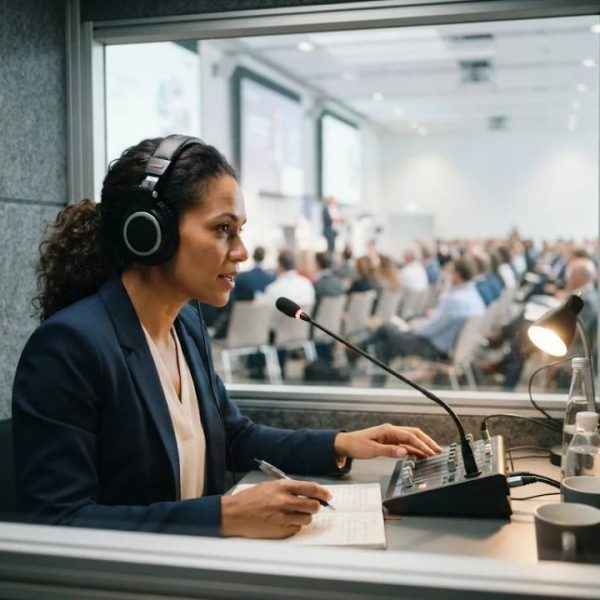
Consecutive interpreting means the speaker talks for a short segment and then pauses while the interpreter renders the message. It suits meetings, interviews, medical visits and small negotiations. Simultaneous interpreting happens almost at the same time as the speaker, usually from a booth with headsets, and it fits conferences and large events. Whispered interpreting, called chuchotage, serves one or two listeners who sit next to the interpreter.
Choosing the correct mode saves time and money, because the wrong format either slows the meeting or adds equipment you do not need.
Remote and On-Site Options
Video and phone interpreting have grown quickly. They give fast access to rare languages and reduce travel costs, which helps hospitals, call centers and small companies. On-site interpreting still offers advantages for sensitive negotiations and long events because the interpreter can read the room and use body language. Many organizations combine both options depending on the situation.
For remote sessions, test the platform, the audio quality and the internet connection before the event, and give the interpreter a quiet place and a backup phone number.
Standards and Ethics
Professional interpreters follow codes of conduct that require accuracy, impartiality and confidentiality. The International Association of Conference Interpreters publishes standards for working conditions, such as team rotations in simultaneous interpreting, which protect both quality and health. Ask your provider whether its interpreters follow similar guidelines and whether they are certified or have formal training.
In legal and medical settings, ethical rules are particularly strict, because a mistake can harm a person's rights or health.
How to Prepare an Interpreter
Good preparation improves the final result more than any other factor. Send the agenda, slides, speaker names, technical terms and any previous documents at least several days before the event. Hold a short briefing to explain goals and sensitive points. Interpreters build glossaries from this material and rehearse difficult terms.
During the event, ask speakers to talk at a natural pace, to pause between ideas and to avoid long jokes that depend on wordplay. These simple habits make the interpreter's task easier.
Interpreting for Asian Languages
Business with China and other Asian markets grows every year, and projects often combine live interpreting with written materials. If you also need english to chinese translation, plan both services together so that terminology in presentations, contracts and speeches stays identical. Dialects, regional accents and honorific forms also matter, so tell your provider where participants come from.
A consistent glossary prevents confusion when the same term appears in a slide and in a spoken answer.
Equipment and Logistics
Simultaneous interpreting requires booths that meet international standards, microphones, receivers and a technician. Smaller events can use portable systems. Check the room layout, the number of listeners and the time needed for setup. For remote events, confirm which platform supports language channels.
Ask the provider to include technical support in the quote, so you have one team responsible for the whole setup.
Costs and Contracts
Interpreters usually charge by the hour or by the day, with minimum fees, travel costs and sometimes a cancellation policy. Longer assignments need at least two interpreters who take turns. Request a written quote that lists the languages, hours, preparation time and equipment.
Avoid choosing only by price, since mistakes in interpreting are difficult to correct after the fact.
Legal and Medical Settings
In courtrooms, police interviews, asylum hearings and hospitals, interpreters must be trained in the specific vocabulary and procedures. Patients and defendants have the right to understand what is being said, and errors can lead to wrong diagnoses or unfair decisions. Many countries maintain registers of qualified interpreters for these settings, so check whether such a list exists where you work.
Never ask family members or children to interpret in serious situations, because they may lack the vocabulary and face emotional pressure.
Spoken interpreting and written translation often sit side by side in the same case, because a hearing or a hospital visit usually produces documents that must also be filed in another language. Birth certificates, medical reports and court papers need a written record that an authority will accept, not just a spoken rendering in the room. For clients who need that written record alongside an interpreter, professional certified translation services from Oxford Translation can provide certified documents with the checks and statements that official bodies expect. Asking which certification a specific authority requires before the work starts avoids a document being rejected for the wrong format.
Common Mistakes Clients Make
Typical problems include late briefing, unrealistic schedules, missing materials and too many interpreter hours without breaks. Some clients also forget to tell the interpreter that a speech will be read from a script, which changes the speed. Others hire a friend or colleague to save money and then regret the result.
Treat interpreters as partners. Welcome them, introduce them to the speakers and give them water, a copy of the program and a place to rest between sessions.
Measuring Success
After the event, ask participants whether the communication felt clear and natural, and collect comments from the interpreters about the sound quality, the materials and the pace. Use this feedback to improve the next assignment. Keep the glossary and notes so that future events begin from a stronger base.
Over time, a trusted interpreting team becomes one of the most valuable assets of an international organization.
Interpreting Skills in Detail
Interpreters train for years to master memory techniques, note taking, voice control and quick decisions. In consecutive work they use a special note taking system with symbols that capture ideas rather than words. In simultaneous work they listen, analyze and speak at the same time, which requires intense concentration and is why interpreters work in pairs and switch every twenty to thirty minutes.
Respecting these limits protects the quality of the interpretation and the health of the professionals.
Selecting Interpreters for Sensitive Topics
Negotiations, medical consultations and legal interviews involve emotions and risks. Choose interpreters with proven experience in the field, who can stay neutral and keep confidences. Discuss the topics in advance, and explain any difficult vocabulary or cultural issues.
If a participant becomes upset, allow a short pause rather than rushing the conversation.
After the Assignment
Ask the interpreter for feedback about the session: which terms were difficult, which materials were missing and how the sound and room worked. Add new terms to the glossary and note any improvements for the next event.
A short debrief turns each assignment into preparation for the next one.